Cupping Therapist Southbury CT
Most people have seen the marks. Fewer people actually understand what cupping does or why it works. If you have been dealing with stubborn muscle tightness, areas that just won’t release no matter how much work goes into them, or tissue that feels dense and stuck, cupping gets into that in a way that regular massage pressure alone cannot. As a cupping therapist in Southbury CT, I use dynamic cupping as part of a focused, results-driven session, not as a gimmick or an aesthetic add-on.
What Cupping Actually Does
Instead of pressing down into tissue the way massage does, cupping lifts it. This form of myofascial decompression pulls the layers of muscle and fascia apart, increases blood flow to the area, and helps break up the kind of deep, stubborn tension that has been sitting there for a long time. It can also be an effective form of soft tissue mobilization. Drawing circulation into restricted tissue, supports the body’s natural recovery process, and helps restore movement in areas that have felt locked up. When I combine massage and cupping Southbury CT, the two work together in a way that gets deeper results than either one alone.
What to Expect During a Cupping Session
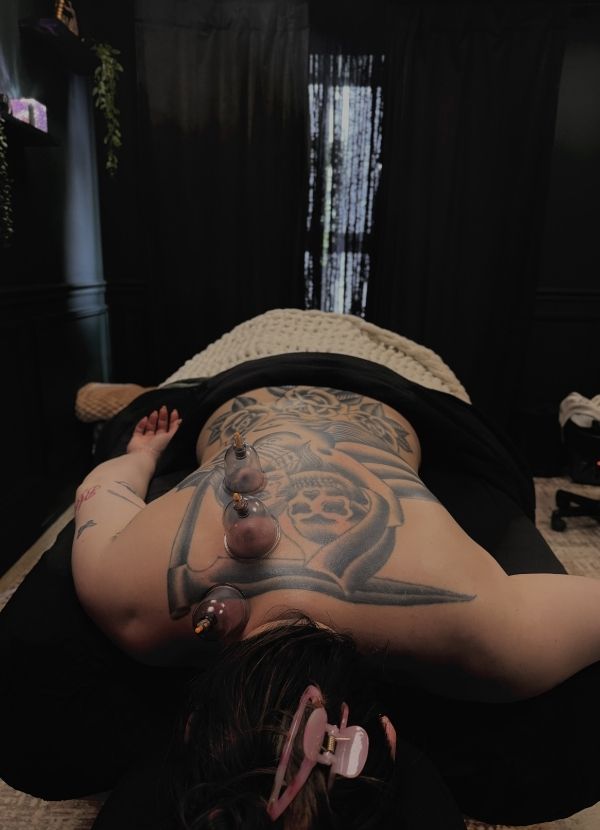
Cupping is available as an add-on for your massage session. I use silicone cups that can be moved across the tissue, which allows me to work dynamically rather than just leaving cups in place. You may notice circular marks on the skin afterward. Those are not just bruises. They are a byproduct of increased circulation and the release happening in the tissue underneath. They typically fade within a few days and are a normal part of the process.
The work I do is focused on muscular tissue, recovery, and tension relief in the body.
Focused Bodywork That Works With Your Body
My approach to wet cupping Southbury CT, often brings people in who are simply looking for relief from chronic tightness, stress tension, restricted movement, or recovery fatigue. What I offer is intentional, recovery-focused bodywork that uses cupping as one tool within a customized session designed around how your body actually feels and functions. In some cases, cupping can also help address areas that feel similar to what people often describe as muscle knots or trigger points. By decompressing the tissue instead of constantly pressing into it, the body sometimes responds more effectively than it does to pressure alone.
Whether your body feels stiff from training, physically drained from work, or constantly tight from stress and posture, cupping can be an effective way to support mobility, recovery, and overall body function when used with purpose.
Our Gallery
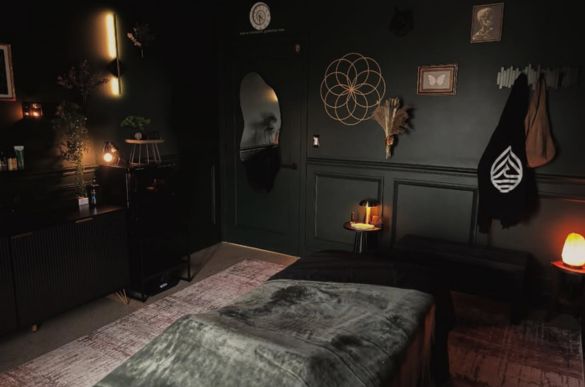
Part of a Bigger Approach
Cupping has been used for generations as part of traditional Eastern medicine techniques, but today it’s also widely used in recovery and performance settings. Cupping is not a standalone fix. It works best when it is part of a session that also includes targeted massage work, so the tissue that gets released through decompression is then worked through more fully. That is what makes the results last longer than a day or two. For anyone looking for focused soft tissue work and recovery support, adding cupping into a longer session makes a real difference in what we can accomplish together.
Got Questions?
Frequently Asked Questions
Will I have huge ‘bruises’ or marks on me after?
Usually, no. Over the years, I’ve found that I get better results by massaging with the cups rather than leaving them stagnant in one place. There are absolutely times when stationary cupping is beneficial, and I’ll incorporate it if I think it’s what your body needs, but the majority of my practice involves slowly moving the cups over the tissue. This dynamic approach gives many of the same benefits while typically resulting in far fewer or much lighter marks than people often expect.
How do I know if cupping is right for me?
If you constantly feel tight, restricted, or like certain areas never fully release, cupping may be worth trying. During your session, we’ll talk about what your body has been dealing with and decide whether cupping makes sense as part of your treatment. I only recommend it when I believe it will genuinely help support your recovery and movement goals.
Why do you only offer cupping during longer sessions?
I don’t like rushing through bodywork or adding techniques just for the sake of it. The 90-minute and 120-minute sessions allow enough time to properly integrate cupping into the treatment while still focusing on recovery, mobility, and the areas that need the most attention.
Why would someone choose cupping instead of deeper massage pressure?
Sometimes an area feels so tight or restricted that more pressure is not necessarily the answer. Cupping works differently by gently lifting and decompressing the tissue rather than constantly pressing into it. For some people, that approach helps the body release tension and move more freely than deeper pressure alone.
What does cupping help with?
Cupping can help reduce tension, improve movement, and support recovery in areas that feel restricted, overworked, or constantly tight. I commonly use it for shoulders, upper back tension, hips, legs, and low back tightness from workouts, stress, posture, or physically demanding jobs.
Is cupping the same thing as vacuum therapy?
Essentially, yes. Some people refer to cupping as vacuum therapy because it uses suction rather than pressure to influence the tissue. By gently lifting and decompressing the area, cupping can help improve circulation, reduce restriction, support soft tissue mobilization, and help your body move and recover more efficiently.
What areas of the body respond best to cupping?
I most commonly use cupping on the shoulders, upper back, low back, hips, and legs. These are often the areas that hold the most tension from training, repetitive movement, stress, posture, or physically demanding work. Every session is customized based on where your body feels the most restricted.
Do you offer facial cupping?
No. I only offer dynamic cupping as part of therapeutic massage sessions. I do not offer facial cupping. However we do offer wet cupping therapy Southbury CT.
Is cupping included in every massage session?
No. Dynamic cupping is offered as an optional add-on. I only include it when it makes sense for what your body actually needs that day.